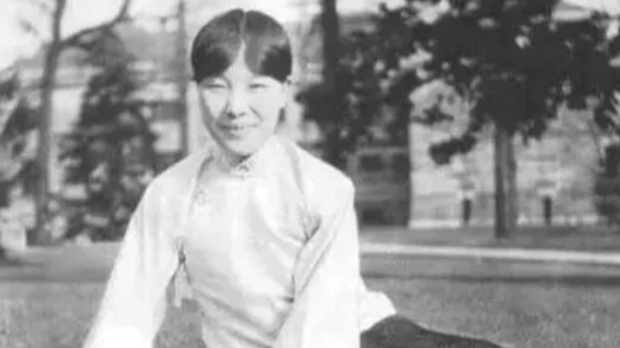
Bing Xin
Introduction
Bing Xin, originally named Xie Wanying, is a celebrated Chinese writer known for her contributions to modern Chinese literature, particularly in the realms of prose, poetry, and children's literature. Born on October 5, 1900, in Fuzhou, Fujian province, Bing Xin's literary career spanned much of the 20th century, rendering her a pivotal figure in Chinese literary history. Her works often reflect themes of love, peace, and familial bonds, resonating deeply with readers across various generations. As a writer, Bing Xin is recognized not only for her literary accomplishments but also for her translations, notably those of Rabindranath Tagore's works, which further enriched Chinese literary circles with international perspectives. Her pen name, Bing Xin, suggests "pure heart," aptly reflecting the sincerity and emotional depth of her writings.
Early Life and Education
Bing Xin was born into a well-educated family in Fuzhou, a city known for its rich cultural heritage. Her early education was greatly influenced by her family's emphasis on learning and literature, which played a crucial role in shaping her literary inclinations. As a child, Bing Xin showed a keen interest in reading and writing, often finding solace in books during her formative years. Her family's relocation to Beijing exposed her to a broader socio-cultural environment, which further fueled her intellectual curiosity.
Bing Xin's formal education began at the Girls' Higher Normal School in Beijing, where she was introduced to Western literature and philosophy. This exposure broadened her literary horizons and significantly influenced her writing style. In 1919, she enrolled in Yanjing University (later merged with Peking University), where she studied literature and was mentored by renowned scholars. Her academic journey was marked by a profound engagement with both Chinese and Western literary traditions, which she adeptly integrated into her own works.
In the early 1920s, Bing Xin's literary talent began to gain recognition through her contributions to prominent literary journals, where her essays and poems were published. Her writing during this period reflected her deep sensitivity to social issues and her commitment to advocating for love and compassion as universal values.
Literary Career
Major Works
Bing Xin's literary career is distinguished by a wide array of works that encompass prose, poetry, and essays. Her early works, such as the Letters to Young Readers series, which began in the 1920s, established her as a beloved figure in children's literature. These letters, written in a conversational and accessible style, aimed to educate and inspire young minds, imparting values of kindness and empathy.
Among her notable prose works is The Little Orange Lamp, a collection of short stories that explore familial relationships and the inner lives of women. Bing Xin's ability to encapsulate profound emotions within simple narratives made her stories resonate deeply with readers. Her poetry collections, such as Spring Water, are celebrated for their lyrical beauty and philosophical reflections on nature and human experiences.
In addition to her original works, Bing Xin's translation of Rabindranath Tagore's Gitanjali introduced Chinese readers to the spiritual depth and poetic richness of Tagore's writings. This translation, alongside her essays on Tagore, highlighted her role as a cultural bridge, fostering cross-cultural understanding.
Writing Style
Bing Xin's writing style is characterized by its simplicity, clarity, and emotional depth. Her prose often employs a conversational tone, drawing readers into the intimate worlds of her characters. She masterfully weaves together themes of love, peace, and familial bonds, creating narratives that are both poignant and thought-provoking.
In her poetry, Bing Xin's use of imagery and metaphor evokes a sense of harmony with nature and a contemplative exploration of human emotions. Her poems often reflect a deep reverence for life and the interconnectedness of all beings, resonating with readers on both intellectual and emotional levels.
Bing Xin's essays, known for their philosophical insights, address a wide range of topics, from personal reflections to social issues. Her ability to articulate complex ideas in a straightforward manner made her essays accessible to a broad audience, contributing to her enduring popularity.
Social and Cultural Influence
Bing Xin's literary works and translations profoundly shaped Chinese society and culture. She championed universal themes like love, peace, and compassion, offering hope during turbulent times. Her translations of Rabindranath Tagore introduced Chinese readers to Indian literature, fostering cross-cultural understanding and respect.
Beyond literature, Bing Xin advocated for women's rights and education, using her writing to inspire social justice and equality. Her works remain influential, featured in educational curricula and celebrated through institutions like the Bing Xin Library, ensuring her legacy endures as a beacon of compassion and cultural exchange.








